
The psychology behind high-stakes gambling decisions
The allure of high-stakes gambling
High-stakes gambling is often romanticized in movies and media, showcasing it as an adrenaline-fueled pursuit where fortunes can change overnight. This allure draws many people to the gambling table, fueled by the desire for excitement and the potential for substantial financial gain. The thrill associated with placing large bets activates the brain’s reward system, releasing dopamine and creating a pleasurable feeling, which can be addictive. This biochemical response contributes significantly to why individuals are willing to risk large sums of money. Those interested in exploring this topic further can find valuable information on slapkongcasino.net.
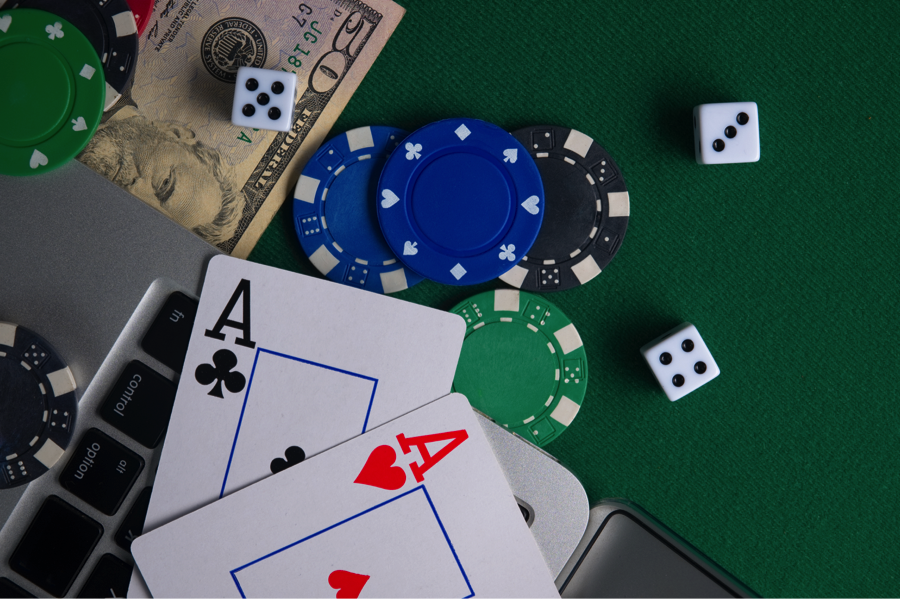
The psychological concept of loss aversion plays a crucial role in high-stakes gambling. It suggests that the pain of losing money is felt more intensely than the pleasure of gaining the same amount. This phenomenon drives gamblers to continue betting in hopes of recouping their losses, often leading to poor decision-making. The high-risk environment, combined with emotional investment, clouds judgment and can result in a cycle of chasing losses rather than making rational choices based on statistics or probabilities.
Additionally, social factors heavily influence gambling decisions. High-stakes environments, such as exclusive casinos or elite poker tournaments, often involve a specific peer group that encourages riskier behavior. The desire to impress peers, or to fit in with a perceived elite crowd, can lead individuals to make impulsive decisions they might otherwise avoid. Social pressure can override logical reasoning, prompting players to wager more than they initially intended.
The impact of cognitive biases
Cognitive biases are systematic patterns of deviation from norm or rationality in judgment, and they play a significant role in high-stakes gambling. One prominent bias is the illusion of control, where gamblers mistakenly believe they can influence the outcome of a game through skill or strategy. This perception can lead players to take unnecessary risks, convinced that their decisions will yield favorable results. For instance, a poker player may overestimate their ability to read opponents, which can lead to large bets based on flawed reasoning.
Confirmation bias also affects gamblers’ decisions. This is the tendency to search for, interpret, and remember information that confirms one’s pre-existing beliefs. In gambling, if a player has a winning streak, they may focus solely on those successful moments while ignoring the significant losses they’ve incurred. This selective thinking reinforces the gambler’s belief in their luck or skill, which can perpetuate risky behavior and lead to even larger bets in the hope of sustaining that success.
Lastly, the gambler’s fallacy is another cognitive bias prevalent in high-stakes gambling. It refers to the belief that past independent events can influence future outcomes. For instance, a player might think that because a roulette wheel has landed on red several times in a row, it is “due” to land on black. Such misconceptions can lead to illogical betting patterns and increased stakes, ultimately resulting in significant financial loss.
Emotional influences on gambling decisions
Emotions play a significant role in high-stakes gambling, often overriding logic and reasoning. For many individuals, gambling serves as an emotional escape or a means to cope with stress and anxiety. The thrill of high-stakes betting can temporarily lift one’s spirits, but this emotional high can quickly turn into a steep drop when losses are incurred. This rollercoaster of emotions can lead to impulsive decisions, where players chase their initial highs, placing bets that are not carefully considered.
Furthermore, emotions such as excitement and fear can significantly impact decision-making. The excitement of a potential win can lead to an underestimation of risk, encouraging players to make larger bets than they initially planned. Conversely, the fear of losing what one has can push gamblers to engage in riskier strategies to try and protect their stake. This emotional volatility creates an unpredictable environment, where decisions are less about strategy and more about immediate feelings.
The concept of ’tilt’—an emotional state resulting from a losing streak—also highlights the impact of emotions on gambling. When players go on tilt, they become frustrated or angry, often leading to reckless betting in an attempt to recover losses. This state of mind can cloud judgment entirely, causing individuals to disregard their usual strategies or limits. Understanding these emotional factors is essential for anyone participating in high-stakes gambling, as they can drastically alter the outcome of one’s decisions.
Risk assessment and decision-making processes
Risk assessment is a crucial aspect of decision-making in high-stakes gambling. Successful gamblers often analyze the odds and probabilities associated with different games, yet many players neglect this critical analysis due to emotional influences or cognitive biases. Understanding the true odds can provide a clearer picture of potential risks and rewards, allowing individuals to make more informed choices. Unfortunately, many gamblers operate under misconceptions about their chances of winning, leading to uncalculated risks.
The way decisions are framed can also impact the risk assessment process. Research shows that individuals respond differently to gains versus losses. For instance, framing a situation as a potential loss can trigger more cautious behavior, whereas framing it as a potential gain can lead to riskier choices. This concept of loss versus gain framing can heavily influence gambling decisions, as players often react differently based on how information is presented to them.
Moreover, the influence of previous experiences plays a significant role in risk assessment. A player who has had a series of wins may feel emboldened to increase their bets, believing their luck will continue. Conversely, someone who has experienced losses may be more hesitant, potentially missing out on opportunities. Recognizing how past experiences shape decision-making is essential for navigating the high-stakes gambling landscape effectively.

The website and its resources
This website aims to provide valuable insights into the psychology behind high-stakes gambling decisions. It serves as a comprehensive resource for both beginners and seasoned gamblers, offering tips and strategies for understanding the intricate mental processes at play. Visitors can explore various articles, expert opinions, and analyses that delve into the emotional and cognitive factors influencing gambling behavior.
Moreover, the website promotes responsible gambling practices, emphasizing the importance of setting limits and understanding one’s emotional triggers. By equipping users with knowledge, it aims to foster a healthier relationship with gambling, encouraging informed decision-making rather than impulsive bets. This approach not only benefits individual gamblers but also contributes to the broader conversation around gambling addiction and responsible behavior.
Ultimately, the resources available on this website strive to enhance the user experience by combining psychological insights with practical advice. By doing so, it empowers individuals to make more informed choices while navigating the high-stakes gambling landscape, enabling them to better understand the psychology behind their decisions.